


Cane selection
Kombinieren Sie Text mit einem Bild, um sich auf Ihr ausgewähltes Produkt, Ihre Kollektion oder Ihren Blogbeitrag zu konzentrieren. Fügen Sie Details zur Verfügbarkeit, zum Stil hinzu oder geben Sie sogar eine Bewertung ab.
Right diameter
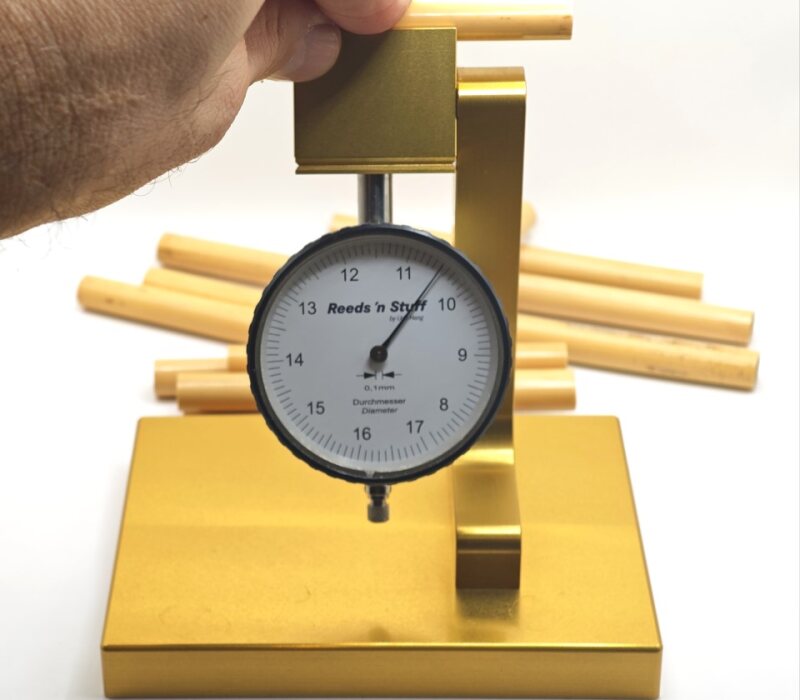
The cane diameter is measured with a precise dial gauge to ensure it falls within the optimal range: 10.3–10.5 mm for professional reeds and 10.5–10.75 mm for student reeds.
Choosing the correct diameter is an important part of the process, as it directly affects the gouging, reed opening, stability, response, and overall playing comfort.
Density testing
Each piece of cane is tested for density to ensure consistent material quality. Medium to high-density cane is especially valued for its tonal stability, projection, and reliable response.
Alongside hardness and flexibility testing, density testing plays an important role in selecting cane that meets the standards required for precise reed making.
Gouging
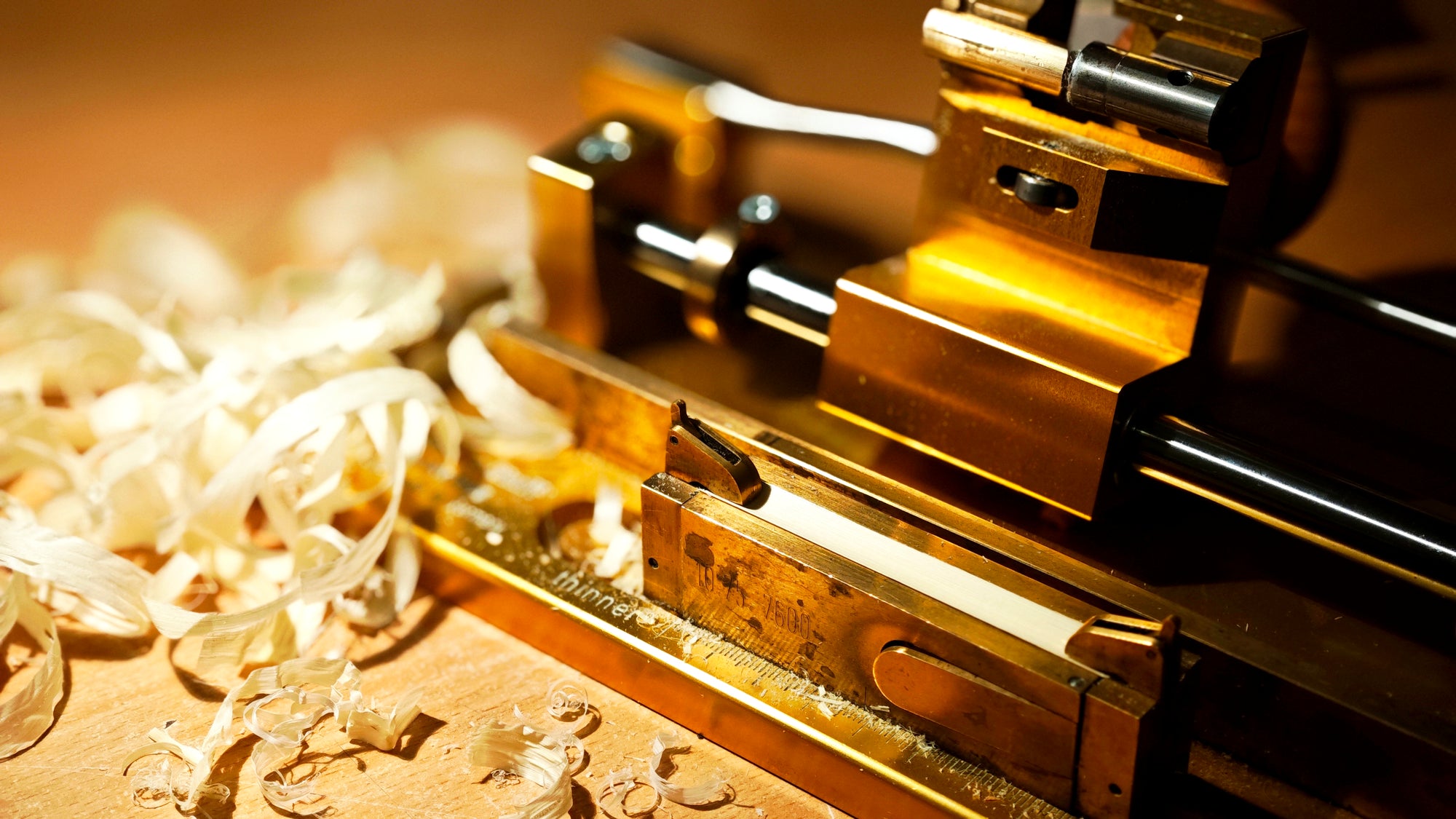
After pre-gouging and density testing, the cane is gouged on a precisely calibrated gouging machine to ensure consistency, accuracy, and reliable material balance.
The standard gouge thickness is approximately 0.57–0.58 mm at the center, providing an optimal foundation for stable, responsive, and well-balanced reeds.
Hardness testing
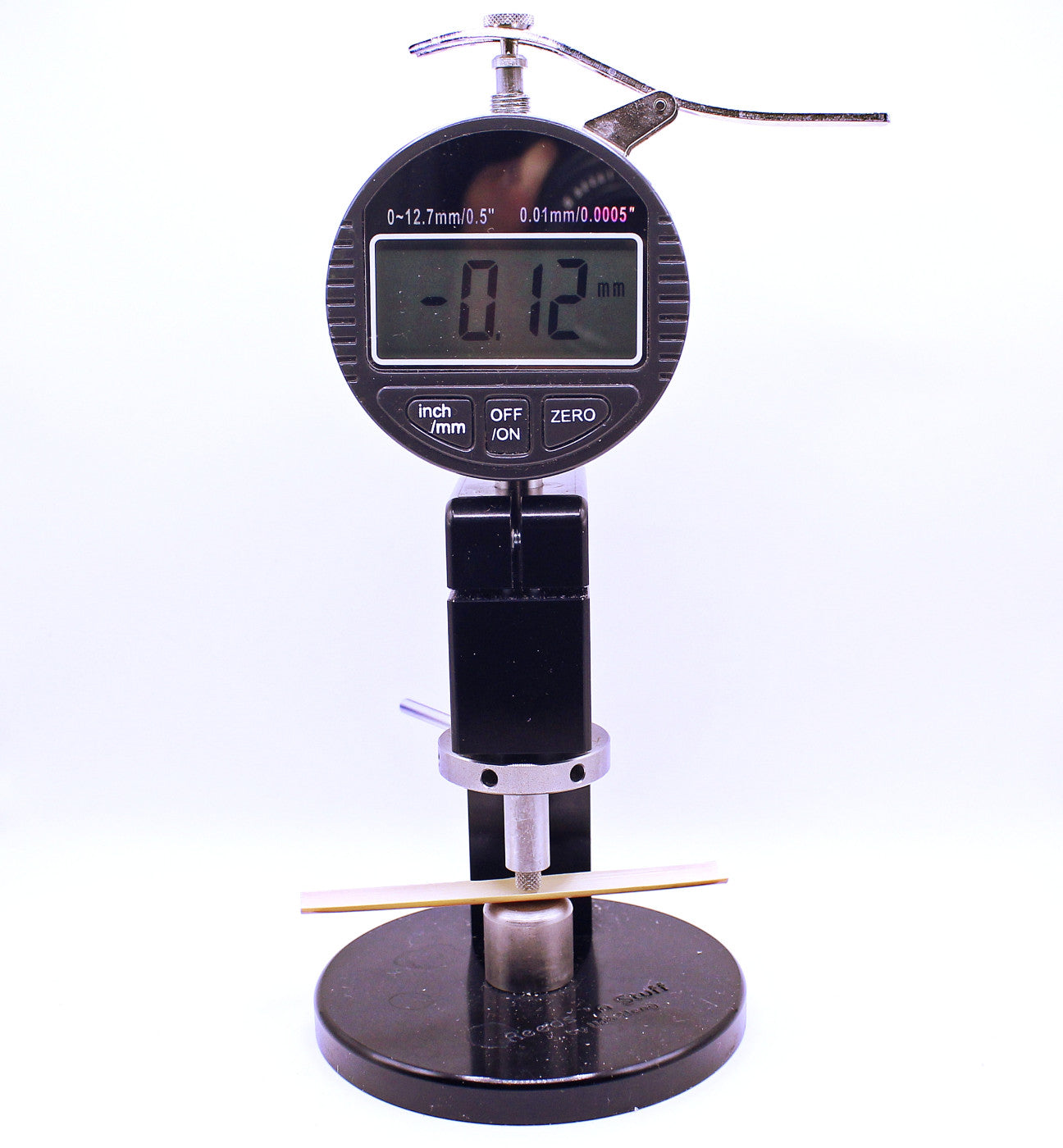
Each piece of gouged cane is tested with a digital hardness tester to ensure reliable and consistent material quality. Cane within a hardness range of 10–14 is selected, allowing the final scraping to be adapted to different playing levels and reed preferences.
This step helps create reeds with the right balance of response, stability, resistance, and tonal flexibility.
Flexibility testing
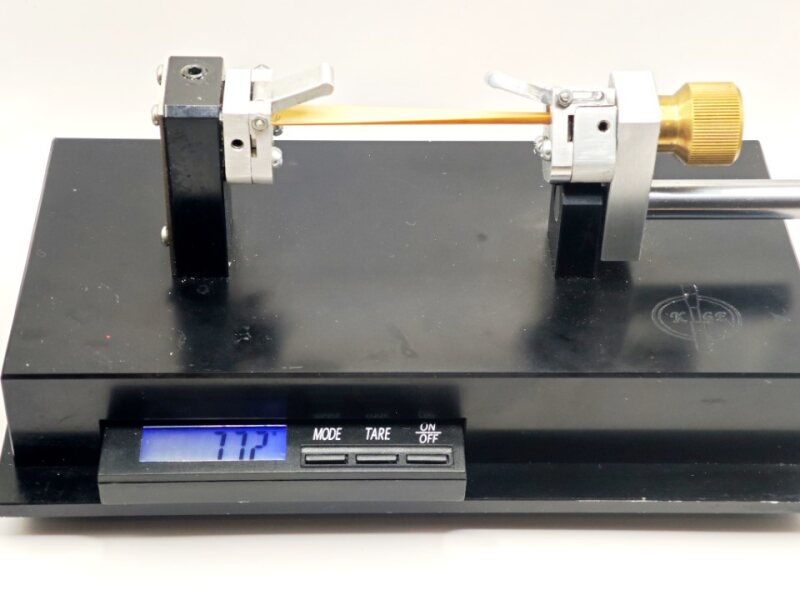
Flexibility is measured using the KGE Flexibility Tester, helping to evaluate the natural tension and bending behavior of the cane.
This step provides valuable information about how the reed may respond during playing, contributing to better control, stability, and overall playability.
Shaping
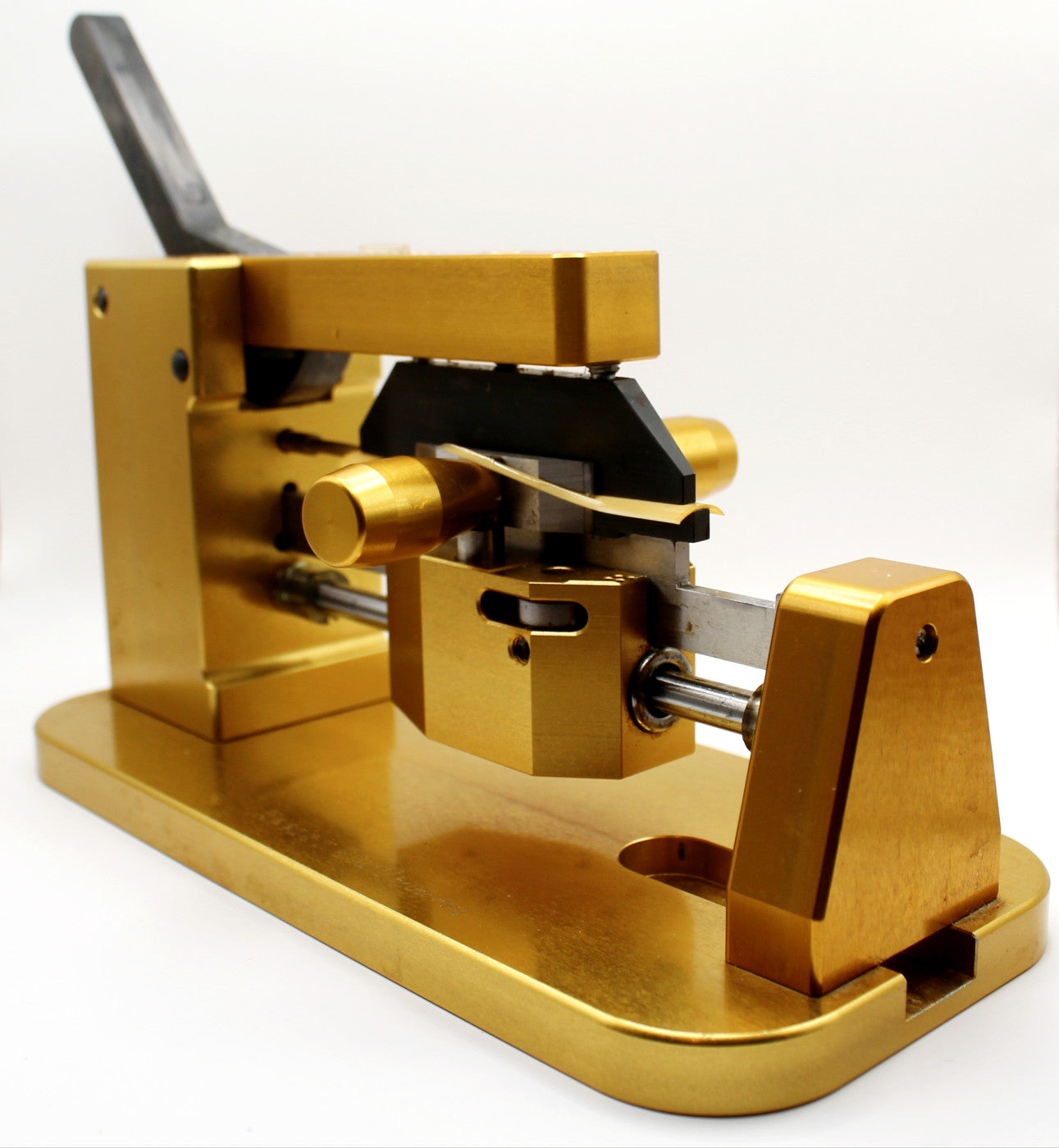
The cane is shaped using a precision shaping machine and a carefully selected range of shaper forms, including RC12, Borgue, Angel, 901, and Rigoutat -2.
Each shape is chosen to suit the player’s level, reed preference, and playing style, helping to create reeds with the desired balance of response, stability, projection, and tonal character.
Tying
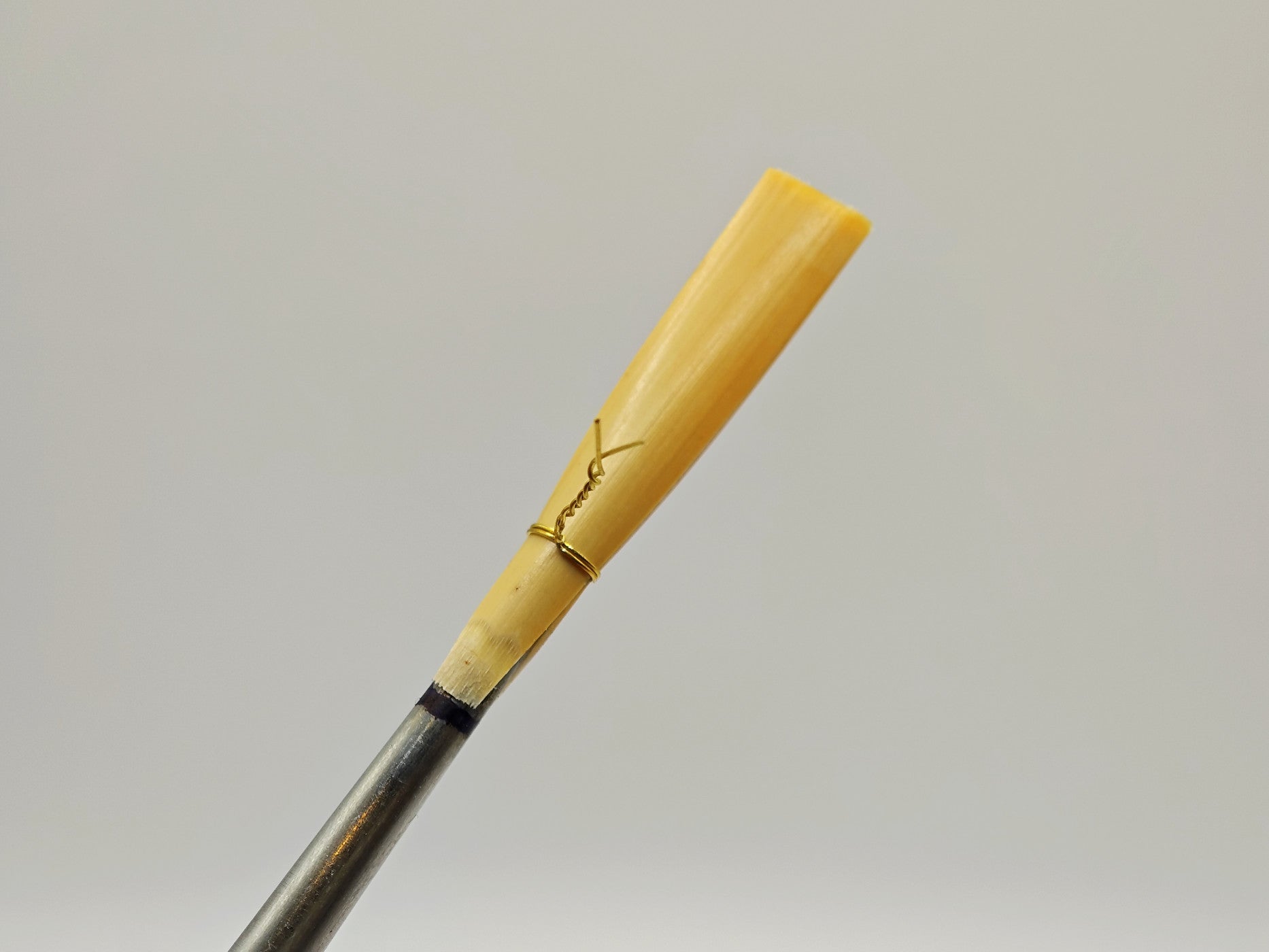
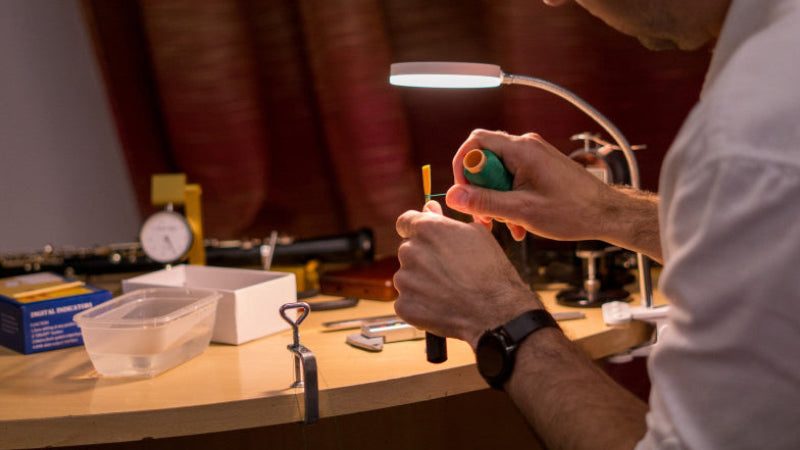
Reeds are tied onto the staples using fine thread and a heat-binding method. During this process, the mandrel is gently heated to help the cane settle into the desired shape with greater precision.
This technique supports a secure fit, improves the shaping of the reed, and helps create an excellent air seal for stable response and reliable performance.
Scraping
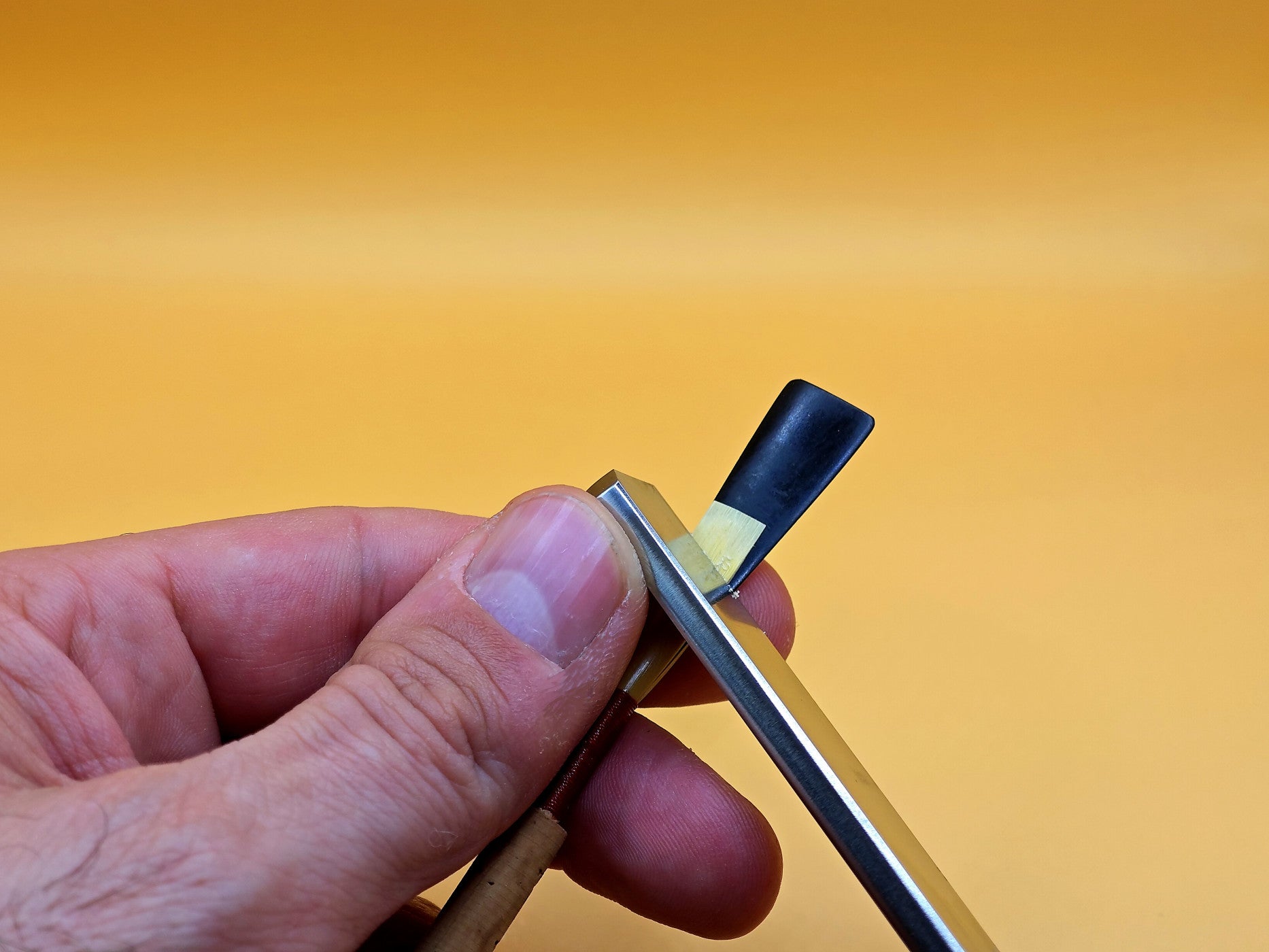
Each reed is partially pre-scraped using a profiling machine to ensure consistency, precision, and efficiency throughout the process. The remaining work and final adjustments are carefully completed by hand with a knife, allowing precise control over the tip, heart, back, and sides.
Every reed is thoroughly tested before shipment to ensure reliable quality, stable response, and excellent playing performance.